When to Replace Your Water Heater: Signs Atlanta Homeowners Shouldn't Ignore

TD Lambert Plumbing • May 28, 2026

Share this article

When to Replace Your Water Heater: Signs Atlanta Homeowners Shouldn't Ignore

Your water heater works quietly in the background every single day — heating showers, running dishwashers, and filling washing machines without much fanfare. That is, until it doesn't. Most homeowners don't think about their water heater until something goes wrong, and by then, a small problem can become a big, expensive mess. Knowing when to replace your water heater before it fails completely can save you thousands of dollars and a whole lot of stress.

As the old saying goes, "An ounce of prevention is worth a pound of cure." That rings especially true with plumbing. This guide walks you through the most common warning signs that your water heater is on its way out — so you can act smart, not reactive.

1. Your Water Heater Is More Than 10–12 Years Old

Age is the single biggest factor in water heater reliability. Most tank-style water heaters are built to last 8 to 12 years. If yours is approaching that window — or has already passed it — you're living on borrowed time. Even if it's still technically working, an aging unit operates less efficiently and is far more likely to fail unexpectedly.

Not sure how old your unit is? Check the serial number on the label. Most manufacturers encode the manufacture date in the first few characters. A quick search of your brand's serial number format will decode it in seconds.

🛠️ Tech Tip: If your water heater is over 10 years old and you're planning to sell your home, replace it proactively. Home inspectors flag aging water heaters, and buyers often use them as negotiating leverage — even when the unit is still functioning.

2. You're Seeing Rusty or Discolored Water

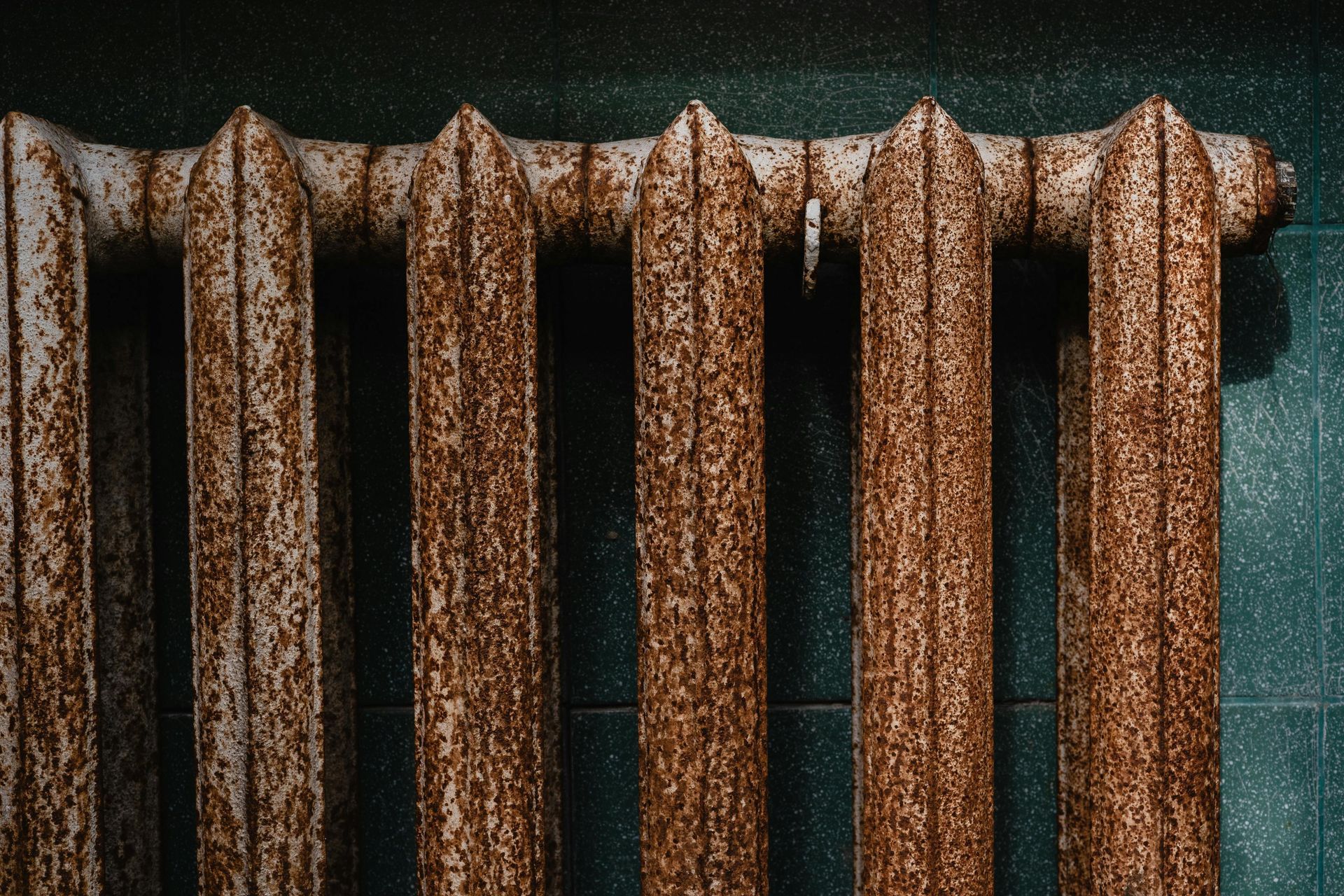
Rusty water coming from your hot tap is one of the clearest signals that your water heater is corroding from the inside. The steel tank lining breaks down over time, and when it does, rust particles mix into your water supply. This not only looks and tastes unpleasant — it can stain fixtures and clothing.

A note of caution: rusty water can also come from aging pipes, not just the heater. To diagnose it, fill three buckets directly from the hot water tap. If the rust clears up by the third bucket, your pipes may be the culprit. If it stays consistently rusty, the tank itself is likely the source.

💡 Did You Know? Water heaters are equipped with a sacrificial anode rod — a magnesium or aluminum rod designed to corrode instead of the tank. When the rod is fully depleted, the tank itself begins to corrode. Replacing the anode rod every 3–5 years can significantly extend your heater's life.

3. You Hear Rumbling, Popping, or Banging Sounds

A water heater that's making noise is trying to tell you something. Over time, sediment from minerals in the water settles at the bottom of the tank. When the burner heats the water, it forces its way through that sediment layer, creating rumbling, popping, or banging sounds.

Beyond the noise, this sediment layer forces the heater to work harder to heat your water — driving up your energy bills and accelerating wear on the tank. If you're hearing these sounds regularly, your heater's efficiency has already dropped significantly.

What Sediment Buildup Actually Does to Your Heater

Sediment acts as an insulating barrier between the burner and the water, meaning the unit runs longer and hotter to reach the same temperature. This extra heat stresses the tank lining and can cause small cracks or pinholes to develop — leading to leaks.

Flushing the tank annually (draining a few gallons from the bottom valve) can slow this process, but once sediment buildup is severe, flushing may no longer be enough to restore efficiency.

🔧 Plumbing Secret: If you flush your tank and the water runs clear immediately, your sediment issue is mild. If it runs brown or gritty for an extended time, the buildup is severe and replacement should be on your radar.

4. You're Running Out of Hot Water Faster Than Usual

Has your shower gone cold before you've had time to rinse? If your water heater is struggling to keep up with normal household demand — demand it used to handle just fine — the heating element or gas burner may be failing. In electric heaters, sediment buildup can cover the lower heating element entirely, reducing the unit's effective capacity.

This is one of the most common complaints we hear from Atlanta homeowners, and it often signals the beginning of the end for an aging unit. Sometimes a repair is possible, but if the heater is already 10+ years old, the cost of repair versus replacement rarely favors fixing it.

If you're dealing with inconsistent hot water, visit our water heater replacement page to learn about the options we offer for Atlanta-area homes.

5. You Notice Leaks or Pooling Water Around the Tank

A leak is never a minor issue with a water heater. Even a small amount of pooling water around the base of the tank indicates internal corrosion or a failed connection — and a corroded tank cannot be repaired. Once the tank wall starts leaking, replacement is the only safe path forward.

Don't wait on this one. A failing tank can release 40–80 gallons of water rapidly, causing serious water damage to your floors, walls, and anything stored nearby. If you see water pooling, shut off the cold water supply valve and call a licensed plumber immediately.

🐟 Little Known Fact: Most water heater warranties don't cover tank failure caused by sediment buildup — even if the unit is still within the warranty period. Regular maintenance (flushing, anode rod inspection) is the only thing that keeps you covered.

6. Your Energy Bills Are Climbing Without Explanation

Water heating accounts for roughly 18% of the average home's energy bill. When a heater starts to fail, it works harder and longer to maintain temperature — and your utility bills reflect that. If you haven't changed your usage habits but your energy costs keep creeping up, your water heater may be the silent culprit.

Upgrading to a newer, high-efficiency unit can reduce water heating costs by 20–30%. Modern tankless water heaters, in particular, only heat water on demand — eliminating standby heat loss entirely.

Repair vs. Replace: Making the Smart Call

A general rule of thumb: if the cost of repair exceeds 50% of the cost of a new unit, and the heater is more than 8 years old, replacement is almost always the smarter investment. You'll recoup the difference quickly through lower energy bills and the peace of mind of a new warranty.

As an industry leader in residential plumbing services across the Atlanta metro, TD Lambert Plumbing provides honest assessments — we'll tell you straight whether a repair makes sense or whether replacement is the right call. We specialize in helping Marietta, Sandy Springs, Hiram, and Buckhead homeowners make confident, cost-effective decisions about their water heaters.

Ready to stop guessing? Contact TD Lambert Plumbing for a water heater inspection today. We'll give you the facts so you can make the right call.

Frequently Asked Questions

What is the best way to replace a water heater in an Atlanta home?

The best way to replace a water heater is to have a licensed plumber assess your household's hot water demand before choosing a unit. The right size and fuel type (gas, electric, or tankless) depend on your home's layout and usage patterns. A professional installation also makes sure code compliance, proper venting, and warranty validity — all of which a DIY swap can put at risk.

Can I extend the life of my water heater to avoid early replacement?

Yes — annual tank flushing, periodic anode rod inspection, and setting the thermostat to 120°F rather than 140°F all reduce wear on the unit. These steps can add 3–5 years of reliable life. That said, no amount of maintenance prevents eventual replacement once the tank itself begins to corrode.

Recent Posts

Dripping Faucet
By TD Lambert Plumbing May 28, 2026
Dripping faucet in your Atlanta home? Learn when to repair vs. replace — and how much each option costs. Stop wasting water and money with this practical guide.
By TD Lambert Plumbing May 28, 2026
Some plumbing problems cost far more to fix when homeowners try first. Learn 5 plumbing situations Atlanta homeowners should never DIY — and why it matters.
Burst water pipe
By TD Lambert Plumbing May 28, 2026
Burst pipe in Hiram, GA? Learn exactly what to do step-by-step when a pipe bursts — before your emergency plumber arrives — to minimize water damage fast.
sewer line repairs
By TD Lambert Plumbing May 28, 2026
Wondering about sewer line replacement cost in Atlanta? Learn what factors affect pricing, signs you need replacement, and how to avoid overpaying in Georgia.
May 8, 2026
Is a tiny leak draining your bank account? Learn why delaying plumbing repairs is a costly mistake and how proactive maintenance saves you "cents."
BBB Accredited Plumber
April 7, 2026
Discover why hiring a BBB accredited plumber is the best way to ensure quality work and professional integrity for your home repairs.
water heater costs
April 7, 2026
Wondering why 50-gallon water heater prices vary? Explore the factors that influence cost and learn the best questions to ask your plumber before buying.
The right plumber
By Craig Lawson December 11, 2025
Learn how to choose the right plumber with our expert guide. We cover verifying licenses, checking reviews, and understanding pricing to help you find reliable service.