5 Plumbing Problems You Should Never Try to Fix Yourself

TD Lambert Plumbing • May 28, 2026

Share this article

5 Plumbing Problems You Should Never Try to Fix Yourself

There's a lot you can handle around the house on a Saturday afternoon — painting a room, patching drywall, replacing a light fixture. But plumbing is a different beast. Get it wrong, and you're not just looking at a re-do. You're looking at water damage, mold, sewage in the wrong places, and repair bills that dwarf what a licensed plumber would have charged in the first place. Knowing which plumbing problems are true DIY territory — and which ones aren't — can save your home and your wallet.

There's an old plumber's saying worth remembering: "The bitterness of poor quality remains long after the sweetness of low price is forgotten." It's never more true than in plumbing.

1. Sewer Line Issues

If multiple drains in your home are backing up at the same time, or you're hearing gurgling from your toilet when you run the dishwasher, you've got a sewer line problem — not a simple clog. Many homeowners try to handle this with a rented drain snake, and some even try to dig up their own yard to access the pipe. This almost never ends well.

Sewer line diagnosis requires a camera inspection. Without it, you're guessing. And guessing wrong on a sewer line means you could miss a collapsed section, a root intrusion deeper in the line, or — worst of all — an offset joint where sewage is leaking into the soil under your foundation. The structural and health implications of getting this wrong are serious.

Leave sewer line work to a licensed plumber with camera inspection capability. You can learn more about our sewer line repair services across the Atlanta metro.

🛠️ Tech Tip: If only one drain is slow but others are fine, that's usually an isolated clog you can reasonably address yourself. But the moment two or more drains back up simultaneously — particularly toilets, showers, and sinks on different parts of the house — call a plumber. That's a main line problem, not a fixture problem.

2. Water Heater Replacement or Repair

Water heater work involves gas lines or high-voltage electrical, pressure relief valves, temperature controls, and proper venting — a combination that makes it genuinely dangerous if handled incorrectly. In Georgia, water heater replacement requires a permit in most jurisdictions, and the installation must pass inspection. A DIY water heater replacement that fails inspection will need to be redone — at your cost.

Beyond safety and code compliance, improper installation can void the manufacturer's warranty, leaving you unprotected on a unit that may be thousands of dollars. If a gas water heater isn't properly vented, carbon monoxide can back-draft into your home — a risk that's not visible or detectable without a CO monitor.

💡 Did You Know? The pressure relief valve (T&P valve) on your water heater is a critical safety device. If it fails and isn't caught, pressure builds in the tank — which can result in a catastrophic tank failure. T&P valves should be tested annually and replaced every 3–5 years by a professional. Never plug or cap a dripping T&P valve — that drip means it's doing its job.

3. Frozen or Burst Pipe Repairs

If a pipe freezes, the instinct is to grab a heat gun or torch and thaw it yourself. And while that can work in some situations, it's also a leading cause of house fires. Open-flame thawing of pipes inside walls, floors, or ceiling cavities has ignited insulation and framing that smolders for hours before becoming visible flames.

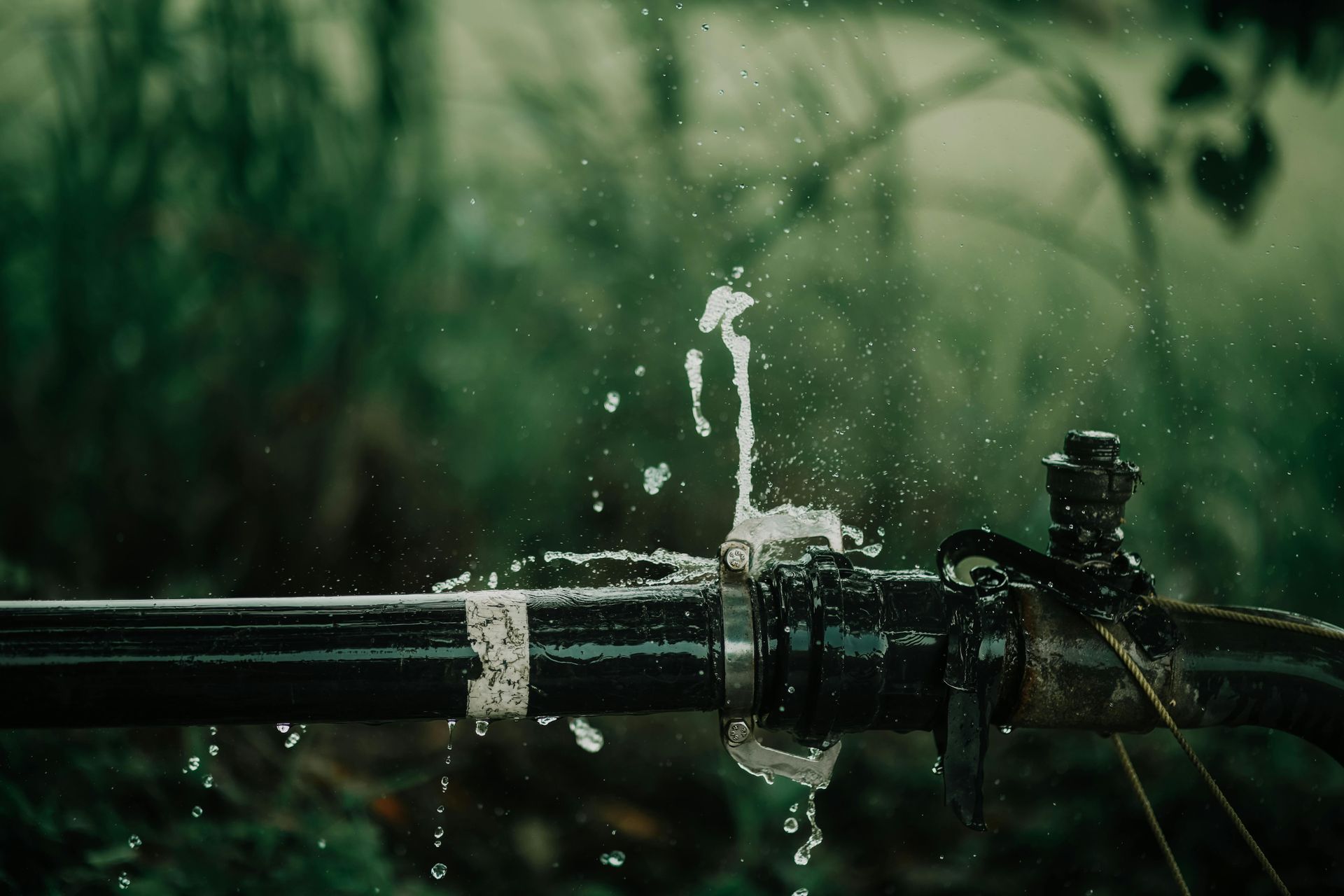
More importantly, if a pipe has already burst from freezing, a DIY patch kit is not a real solution. Slip-on repair clamps and pipe tape are temporary measures — they will not hold under normal water pressure long-term. The pipe needs to be properly cut out and replaced with the right material and fittings for your specific pipe type and location.

The Hidden Risk No One Talks About

When a pipe freezes, it expands. Even if the main pipe doesn't burst, fittings and joints adjacent to the frozen section are often weakened — sometimes invisibly. A pipe that looks intact after thawing may fail days or weeks later at a fitting. This is why a professional assessment after any pipe freeze event is worth the investment.

🔧 Plumbing Secret: If you suspect a pipe is frozen but haven't yet seen a burst, open the faucets served by that pipe before applying any heat. This relieves pressure inside the pipe as the ice melts and significantly reduces the risk of a burst during thawing.

4. Gas Line Work of Any Kind

This one is non-negotiable. Gas line repairs, extensions, disconnections, and new connections are not DIY work under any circumstances. Natural gas and propane leaks are invisible, odorless in their natural state (the smell is added), and a single spark from a light switch, phone, or appliance is enough to trigger an explosion or fire.

In Georgia, gas line work must be performed by a licensed master plumber or gas fitter, and it requires permitting and inspection. There is no grey area here. If you smell gas, don't search for the source yourself — leave the building immediately, don't turn any switches on or off, and call 911 and your gas utility company from outside.

5. Main Water Line Replacement

The main water line runs from the city water supply to your home. When it fails — and in older Atlanta-area homes, particularly those built before 1970, it does fail — the repair involves excavation, typically on both sides of the city meter. This work requires permits, coordination with the local water utility, and in many cases a licensed master plumber.

Attempting to patch a failing main water line without proper diagnosis is particularly risky because you often can't see the full extent of the problem. What looks like a single leak may be a sign that the entire line has corroded to the point of imminent failure — and a patch today just delays an emergency tomorrow.

As an industry leader in Atlanta-area residential plumbing, TD Lambert Plumbing handles all of these jobs with licensed professionals, proper permits, and transparent upfront pricing. We serve Hiram, Marietta, Sandy Springs, Buckhead, Mableton, Smyrna, and the surrounding communities. If you're facing any of these situations, contact us for an honest assessment before you attempt a fix that could cost far more to undo.

What You CAN Handle Yourself

To be clear, there's plenty of reasonable DIY plumbing territory: replacing a showerhead, swapping out a toilet fill valve or flapper, tightening supply line connections under a sink, or clearing a single slow drain with a hand auger. These tasks are low-risk, easily reversible, and don't require permits or specialized equipment.

The rule of thumb is simple: if the job involves the main water line, the sewer line, gas, structural wall access, or anything that requires a permit — call a pro.

Frequently Asked Questions

What is the best way to know if a plumbing problem requires a professional?

The best indicator is scope and reversibility. If you can fix it without opening walls, cutting into pipes, dealing with gas, or creating a permit-required situation — and if the fix is easily reversible if something goes wrong — it's likely reasonable DIY territory. If any of those conditions are present, the risk of compounding the damage significantly outweighs the cost of a professional visit.

Is it ever safe to use chemical drain cleaners instead of calling a plumber?

For minor organic clogs — hair and soap in a bathroom drain, for example — chemical drain cleaners can work as a temporary fix. However, they should never be used on severe clogs, on older metal pipes (the chemicals accelerate corrosion), or on toilets (where they can damage the wax ring and porcelain). If a drain doesn't respond to a single application of drain cleaner, the problem likely isn't a surface-level organic clog — and that means it's time for a professional diagnosis.

Recent Posts

Dripping Faucet
By TD Lambert Plumbing May 28, 2026
Dripping faucet in your Atlanta home? Learn when to repair vs. replace — and how much each option costs. Stop wasting water and money with this practical guide.
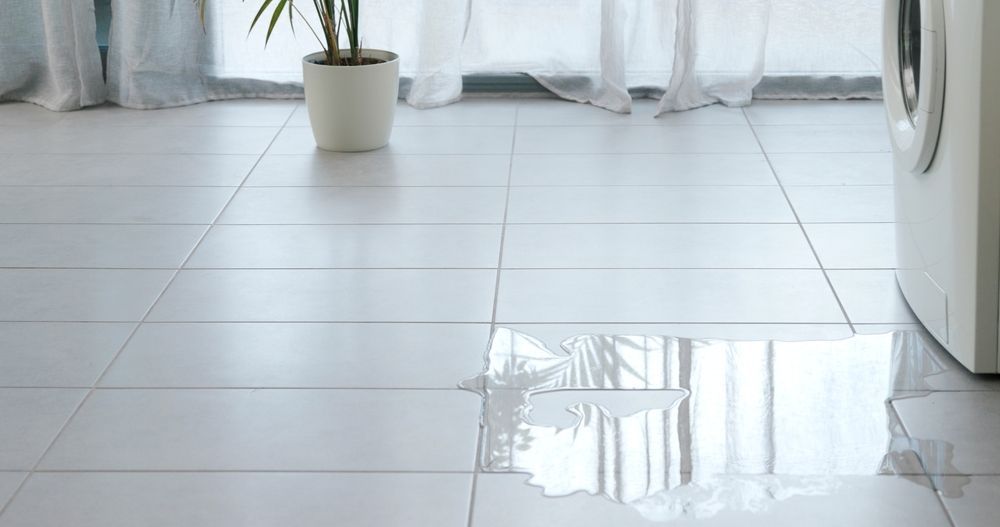
Burst water pipe
By TD Lambert Plumbing May 28, 2026
Burst pipe in Hiram, GA? Learn exactly what to do step-by-step when a pipe bursts — before your emergency plumber arrives — to minimize water damage fast.
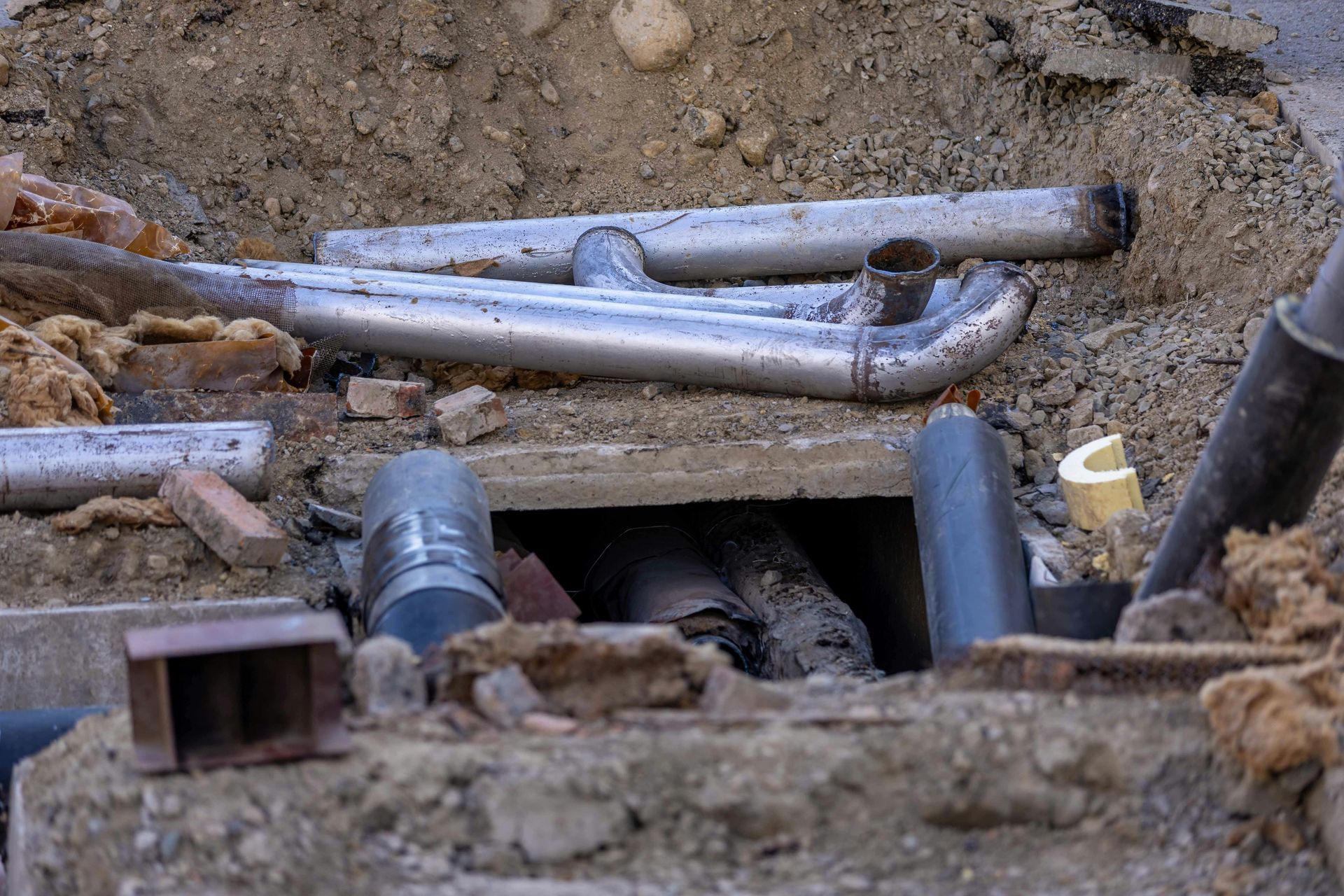
sewer line repairs
By TD Lambert Plumbing May 28, 2026
Wondering about sewer line replacement cost in Atlanta? Learn what factors affect pricing, signs you need replacement, and how to avoid overpaying in Georgia.
By TD Lambert Plumbing May 28, 2026
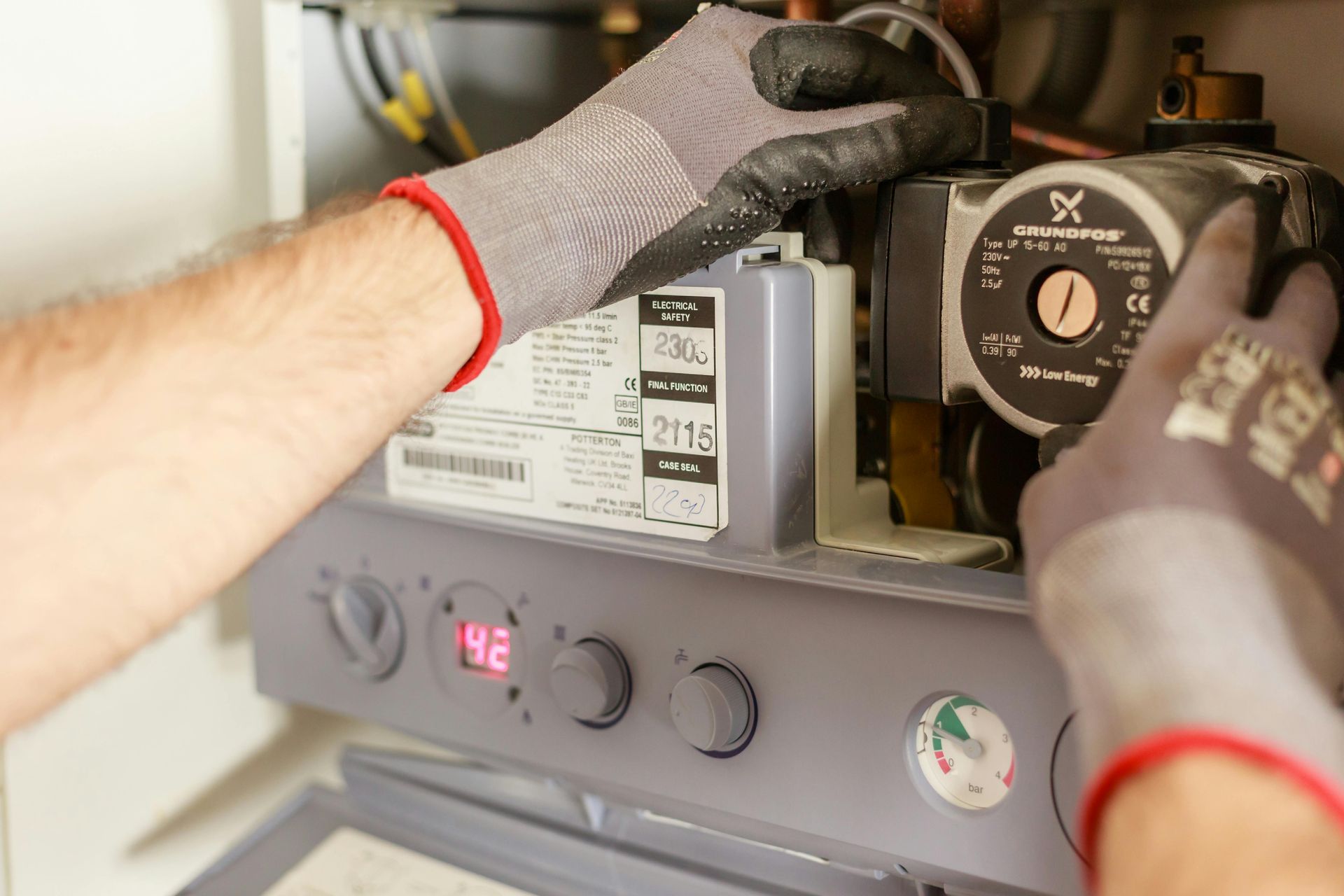
Is your water heater giving you trouble? Learn the top warning signs it's time to replace it — and how Atlanta homeowners can avoid cold showers and costly damage.
May 8, 2026
Is a tiny leak draining your bank account? Learn why delaying plumbing repairs is a costly mistake and how proactive maintenance saves you "cents."
BBB Accredited Plumber
April 7, 2026
Discover why hiring a BBB accredited plumber is the best way to ensure quality work and professional integrity for your home repairs.
water heater costs
April 7, 2026
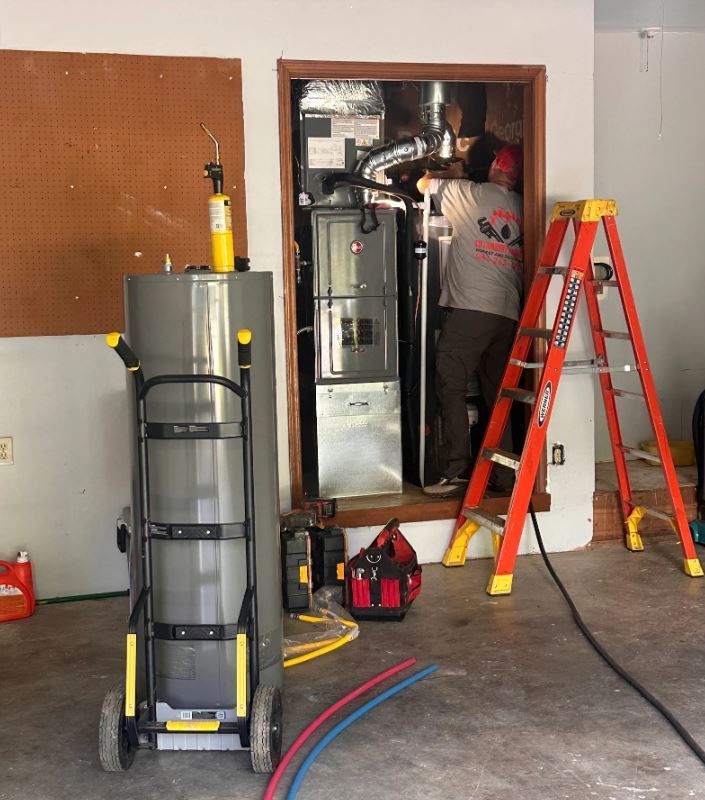
Wondering why 50-gallon water heater prices vary? Explore the factors that influence cost and learn the best questions to ask your plumber before buying.
The right plumber
By Craig Lawson December 11, 2025
Learn how to choose the right plumber with our expert guide. We cover verifying licenses, checking reviews, and understanding pricing to help you find reliable service.