Waking up to a cold shower is a quick way to ruin your morning. When your water heater hits the ten-year mark, you start wondering how much time it has left. For most average-sized homes, a 50 gallon unit is the standard choice.
If you’re looking into
water heater services, you might see a price tag at a big-box store and think the project is simple. However, the total cost involves much more than just the tank itself. Pricing for a 50 gallon water heater installation can range from $1,200 to over $3,500 depending on several variables.
As the old saying goes, "buy cheap, buy twice." Understanding why these prices fluctuate helps you make a choice that lasts for a decade or more.
Why Does the Pricing Vary So Much?
The wide price gap often confuses homeowners. If two tanks both hold 50 gallons, why does one cost double the other? The answer usually lies in the internal components and the energy source.
Gas units generally cost more to install than electric ones because of the venting requirements. If your home needs new gas lines or a chimney liner, those labor costs add up fast. Electric models are simpler to wire but might lead to higher monthly utility bills depending on local rates.
The Impact of Efficiency Ratings
High-efficiency models come with a higher upfront price but lower operating costs. A standard atmospheric vent gas heater is the budget-friendly entry point. However, a power-vented or ultra-high-efficiency model requires specialized PVC venting.
These advanced systems pull more heat out of the fuel, saving you money every month. You pay for that technology on day one, but the energy savings often pay for the difference over the life of the unit.
Recovery Rates and Performance
Not all 50 gallon tanks are created equal when it comes to performance. The recovery rate tells you how fast the heater can provide more hot water after the tank is emptied. Higher-quality units have better heating elements or burners that work faster.
If you have a large family, a high recovery rate is worth the extra investment. It prevents the dreaded "last person to shower" cold water surprise. Cheaper tanks often have slower recovery times, which can lead to frequent shortages during peak hours.
Pro Tip: Check the warranty length before you buy. A 6-year warranty model often uses a single anode rod, while a 10-year or 12-year model usually has better protection against tank corrosion.
“How Much Does a 50 Gallon Water Cost” Varies By It Make
The materials used inside the tank significantly impact the price. Professional-grade water heaters, like those installed by T.D. Lambert Plumbing often features brass drain valves instead of plastic ones. Brass is far less likely to crack or leak over time.
Higher-priced units also feature better insulation. Thicker foam keeps the water hot longer, reducing "standby loss." This means your heater doesn't have to kick on as often when nobody is using water, which keeps your gas or electric bill in check.
Anode Rods and Tank Life
The anode rod is a "sacrificial" piece of metal inside your tank. Its job is to corrode so your steel tank doesn't. Cheaper units come with one basic rod. Premium units often include two rods or a larger "powered" anode.
Investing in a unit with superior tank protection adds to the initial cost. However, it can easily add five years to the life of the system. Replacing a water heater is expensive, so extending its life is always the most cost-effective move.
Installation Complexity and Local Codes
Your home's specific layout dictates a large portion of the labor cost. If your water heater is in a tight crawlspace or an attic, expect to pay more for the manual labor involved in the swap.
Local building codes also change over time. When you replace an old unit, your plumber must bring the new installation up to current safety standards. This might include adding an expansion tank, a vacuum relief valve, or a specialized pan to catch leaks.
The Role of Expansion Tanks
Most modern codes require an expansion tank. As water heats up, it expands. In a closed plumbing system, that extra pressure has nowhere to go. It can stress your pipes and even damage your new water heater.
An expansion tank provides a "cushion" for this pressure. While it adds a few hundred dollars to the total bill, it is a vital safety component that protects your entire home's plumbing.
Did You Know: Water expands by about 2% to 3% of its volume when heated from room temperature to 120 degrees. Without an expansion tank, that pressure builds up against your valves and faucets.
Professional Expertise vs. DIY Risks
It is tempting to try and save money by installing a unit yourself. However, water heaters involve high pressure, high temperatures, and either high-voltage electricity or combustible gas. A small mistake can lead to a flood, a fire, or carbon monoxide leaks.
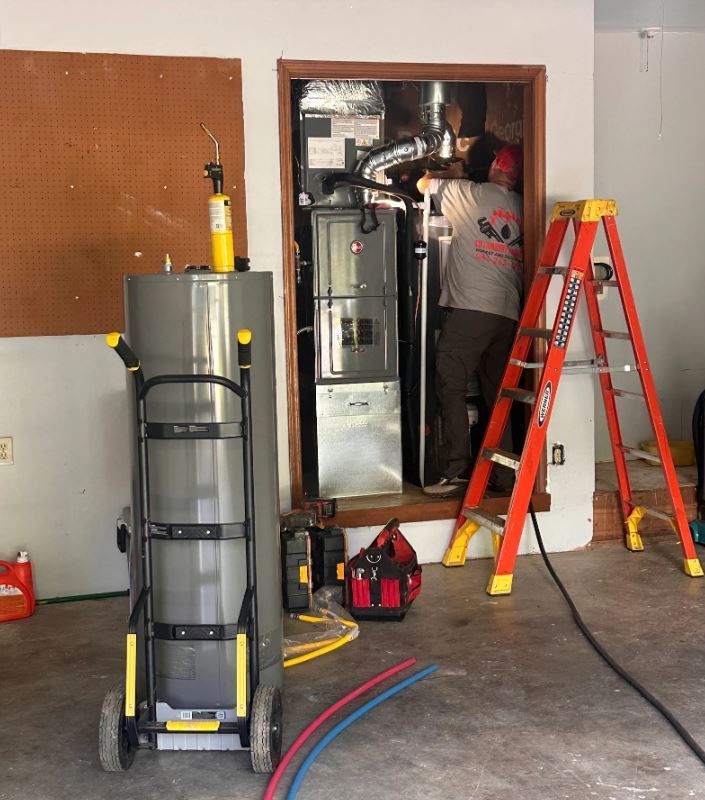
T.D. Lambert Plumbing is an industry leader that provides peace of mind through expert installation and licensed technicians. We ensure every connection is tight, every vent is clear, and every safety device is functioning perfectly. Using a pro also ensures your manufacturer warranty remains valid.
Critical Questions to Ask Your Plumber
Before you sign a contract, you need to know exactly what you are getting. Don't just ask for the bottom-line price. Ask about the "hidden" details that determine the long-term value of the installation.
- Is the haul-away of the old unit included? Some quotes look low because they leave the old, heavy tank in your garage for you to deal with.
- What is the specific warranty on labor? The manufacturer covers the tank, but your plumber should stand behind their workmanship for at least a year.
- Will you install a new shut-off valve? Old valves often seize up. Replacing the valve during the heater swap is the best time to do it.
Evaluating the Unit Specs
Ask your plumber to explain the "First Hour Rating" of the model they recommend. This number tells you exactly how much hot water you can expect during a busy morning. A 50-gallon tank with a low rating might still leave you cold.
You should also ask about the brand's reputation for parts availability. If a specialized sensor breaks on a rare model, you might be without hot water for days while waiting for shipping. Stick with brands that local supplier's stock regularly.
FAQs
Is a 50-gallon water heater the best choice for a family of four?
Yes, a 50-gallon unit is generally considered the best 50-gallon water heater size for a household of 3 to 5 people. It provides enough volume for multiple back-to-back showers and running a dishwasher. If you have a high-flow rainfall showerhead or a large soaking tub, you might consider stepping up to a 75-gallon unit or a tankless system.
How long does a typical installation take?
A standard replacement usually takes between 2 and 4 hours. If the plumber needs to relocate the unit or upgrade the venting system to meet modern codes, it can take a full day. Your plumber should be able to give you a clear timeline after an initial inspection of your current setup.
Should I switch from a tank to a tankless water heater?
Tankless water heaters offer endless hot water and save space, but the initial installation cost is significantly higher. It often requires larger gas lines and new venting. If your priority is a lower upfront cost, staying with a 50-gallon tank is usually the more budget-friendly path.