How Much Does Sewer Line Replacement Cost in Atlanta?
Few words strike more fear into a homeowner's heart than "sewer line replacement." It's a big job, it sounds expensive, and most people have no idea what to expect. The truth is, sewer line replacement cost varies widely depending on several factors — and knowing what drives that number can help you make a confident decision without feeling blindsided. If you've been told you need a sewer line replacement in Atlanta, Sandy Springs, or the surrounding metro, this guide is for you.
Benjamin Franklin once said, "An investment in knowledge pays the best interest." That's certainly true here — understanding what you're paying for means you can evaluate quotes fairly, spot overcharges, and know when a repair might be enough instead of a full replacement.
1. What Drives Sewer Line Replacement Costs?
Sewer line replacement isn't a single flat-rate job — it's priced based on several variables unique to your property. Understanding those variables helps you understand why two homes on the same street can get quotes that differ by thousands of dollars.
Key Cost Factors
- Length of the line: Most residential sewer lines run 50–150 feet from the house to the city main. The longer the line, the higher the cost.
- Depth of the pipe: Pipes buried deeper than 6 feet require more excavation, more labor, and more safety measures — all of which add to the bill.
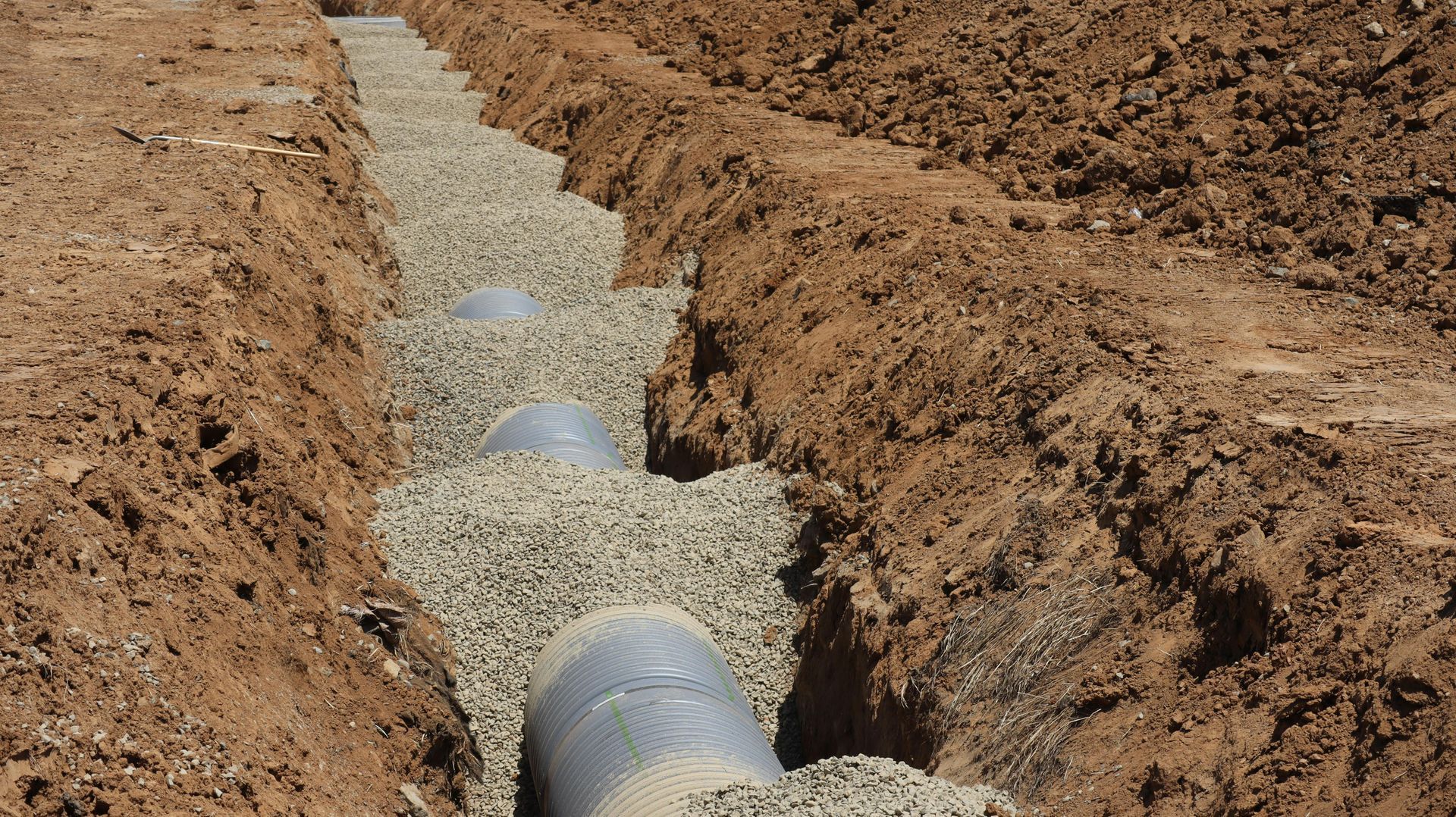
- Method of replacement: Traditional open-cut excavation costs less per linear foot but requires tearing up your yard or driveway. Trenchless methods cost more upfront but avoid landscape damage.
- Soil and access conditions: Rocky soil, root infiltration, and limited access points (tight yards, concrete driveways) all increase labor time.
- Local permits: Atlanta-area municipalities require permits for sewer work, and those fees vary by city.
🛠️ Tech Tip: Always ask your plumber whether the quote includes permit fees, backfill, and surface restoration (like replacing sod or repaving). These items are sometimes itemized separately and can catch homeowners off guard when the final bill arrives.
2. Typical Cost Ranges in the Atlanta Metro
Based on current pricing in the Atlanta area, homeowners can generally expect to pay between $3,000 and $25,000 for a full sewer line replacement. That wide range isn't evasive — it genuinely reflects how different jobs can be.
For a standard residential job with moderate depth (4–6 feet) and conventional excavation, a 60–80 foot run typically lands between $5,000 and $12,000. Trenchless pipe bursting or lining methods for the same run add 20–40% to that range but eliminate yard restoration costs.
💡 Did You Know? In older Atlanta-area neighborhoods — especially those built before 1980 — sewer lines are often made of clay or cast iron. These materials are highly susceptible to tree root infiltration and corrosion, and they typically can't be lined with trenchless methods. They usually require full excavation and replacement with modern PVC pipe.
3. Signs You Might Need Sewer Line Replacement
Before worrying about cost, you need to know whether you actually need a replacement — or just a repair. These are the clearest signals something serious is happening underground:
- Multiple drains backing up simultaneously throughout the house
- Gurgling sounds from toilets when you run a sink or dishwasher
- Sewage smell in your yard or basement without an obvious source
- An unusually green, lush patch of grass over the sewer line path (indicates sewage is fertilizing the soil)
- Slow drains that don't respond to standard clearing methods
- Foundation cracks or sinkholes near the sewer line path
If you're seeing two or more of these symptoms, it's time for a camera inspection — not just a drain snake. A licensed plumber will use a waterproof camera to view the interior of the pipe, identify the problem, and give you a diagnosis before recommending repair or replacement.
You can learn more about what to expect from our sewer line repair and replacement services in Atlanta and the surrounding communities.
4. Replacement vs. Repair
Not every sewer problem requires a full replacement. Spot repairs — targeting a single crack, broken joint, or root intrusion — can often resolve isolated issues for a fraction of the full replacement cost. But there are situations where a repair is only a temporary fix, and replacement is the smarter long-term investment.
Replacement is usually the right call when the pipe is severely root-infiltrated along its entire length, when corrosion or collapse has affected more than 50% of the line, or when the pipe material itself (clay, orangeburg, or cast iron) is fundamentally at the end of its service life. Spending $2,000 on a spot repair for a 50-year-old clay pipe is often money you'll spend again within a few years.
🔧 Plumbing Secret: Orangeburg pipe — a type of sewer pipe made from compressed wood fibers and pitch, common in homes built between 1940 and 1970 — is not repairable. If a camera inspection reveals orangeburg pipe, plan for replacement. It can't be lined, and it will continue to collapse.
5. How to Get a Fair Quote
Getting multiple quotes is smart, but price alone shouldn't drive your decision. Look for these elements when evaluating proposals:
- Does the quote include camera inspection results or just a verbal estimate?
- Is the method (open cut vs. trenchless) explained and justified?
- Are permits, backfill, and surface restoration included?
- Does the plumber carry proper liability insurance and licensure in Georgia?
- What does the warranty on materials and workmanship cover?
As an industry leader in sewer line services across the Atlanta metro, TD Lambert Plumbing provides camera-first diagnostics and transparent pricing — so you know exactly what you're getting and why before any work begins. We serve Sandy Springs, Hiram, Marietta, Buckhead, and the surrounding communities. Visit our Sandy Springs plumbing page if you're looking for local sewer experts in that area.
Don't let sewer problems linger. Schedule a sewer line inspection with TD Lambert Plumbing today — we'll diagnose the issue and give you an honest, no-pressure assessment.
Frequently Asked Questions
What is the best method for sewer line replacement in Atlanta?
The best method depends on your pipe's condition, depth, and access. Trenchless pipe bursting or CIPP (cured-in-place pipe) lining is ideal when the pipe structure is still mostly intact, and it minimizes yard disruption. Traditional open-cut excavation is often more cost-effective for severely collapsed or root-destroyed lines, or for pipes made of materials that can't be lined. A camera inspection determines which method is appropriate for your specific situation.
Does homeowner's insurance cover sewer line replacement?
Standard homeowner's insurance policies typically don't cover sewer line replacement due to age, root infiltration, or general wear. Some insurers offer a service line rider or endorsement as an add-on that covers these scenarios. It's worth reviewing your policy or calling your insurer before assuming you're on your own — some claims do get approved, particularly when damage results from a sudden event like a collapse.