Faucet Dripping? Repair vs. Replacement — What Atlanta Homeowners Need to Know
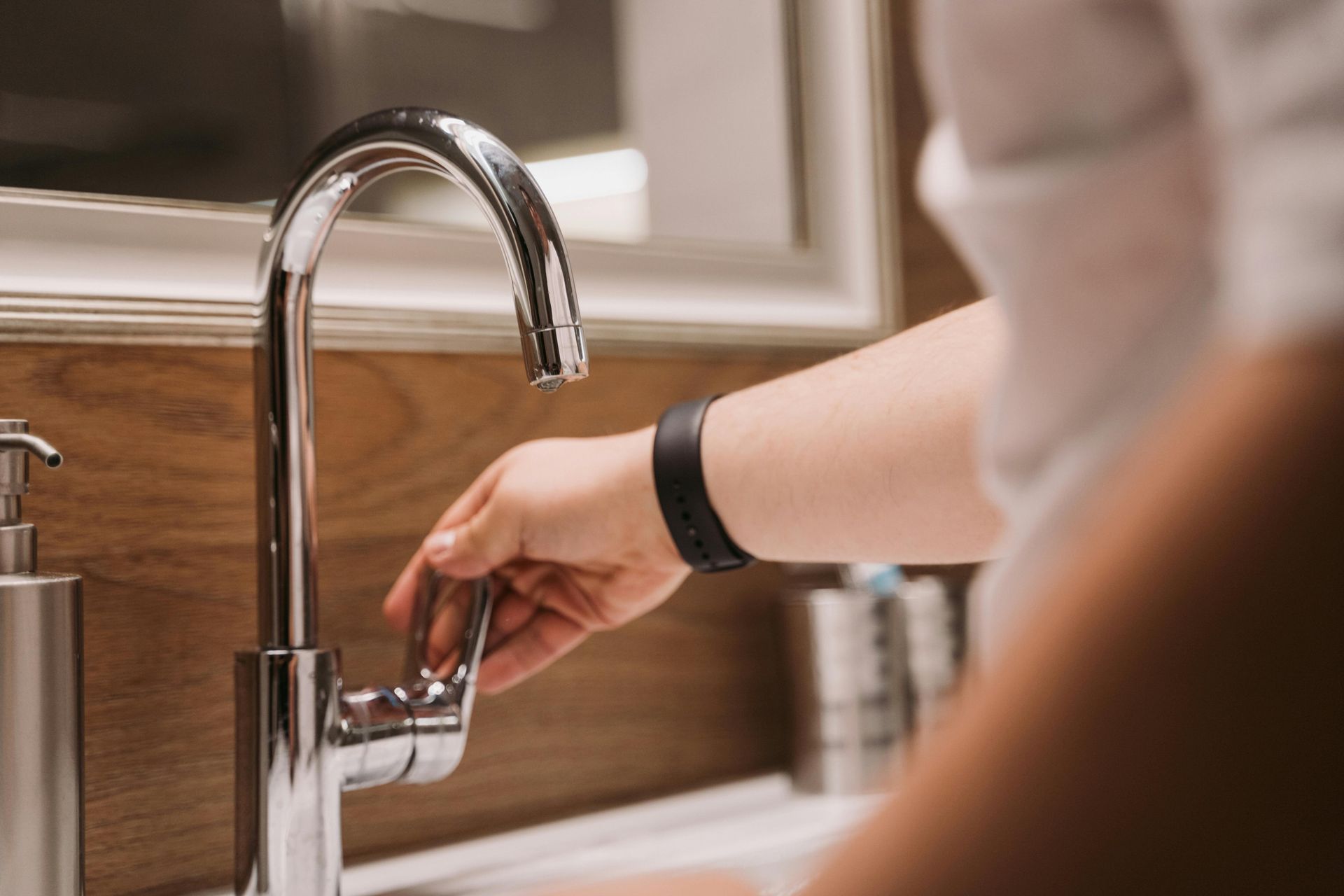
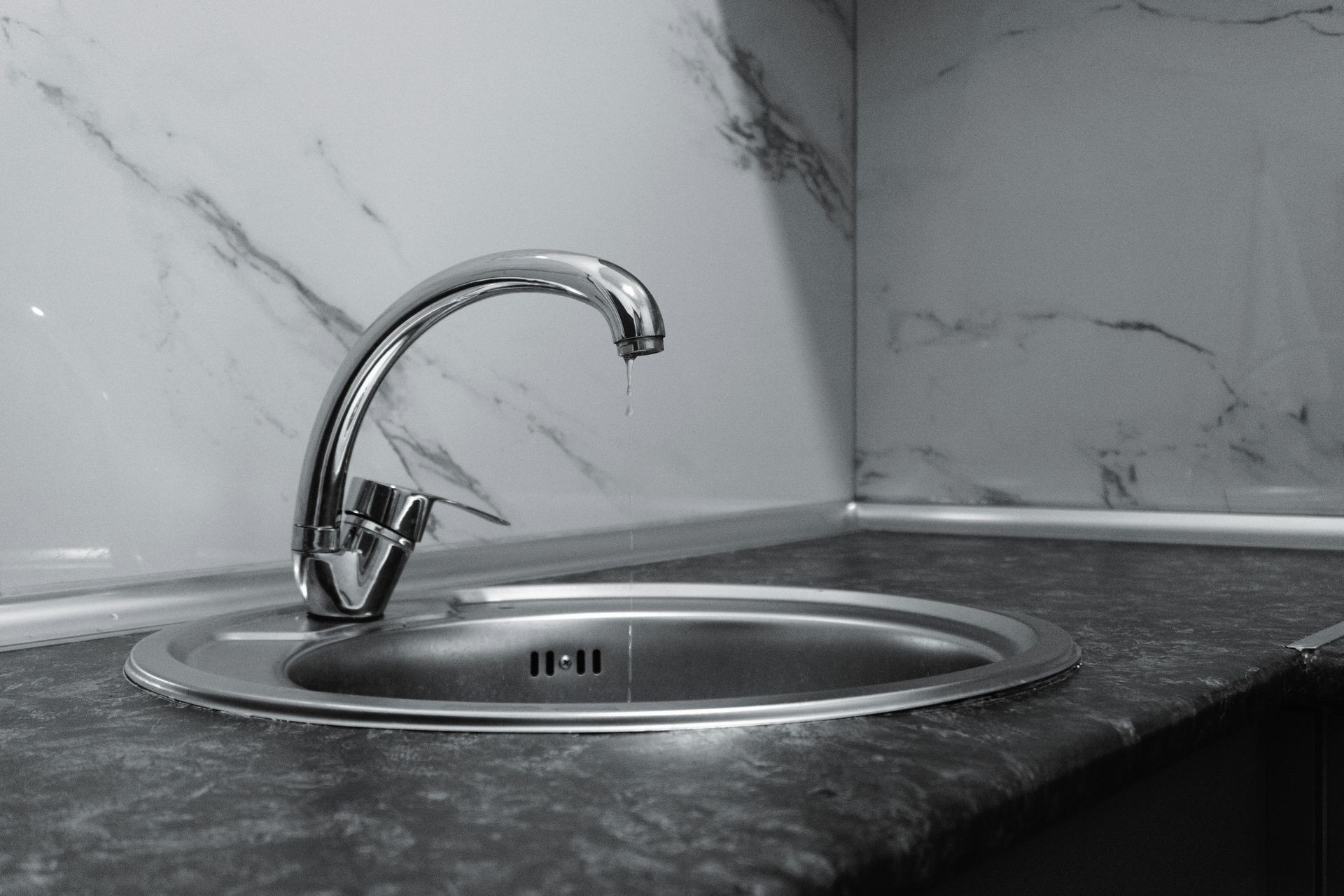
That dripping faucet you've been ignoring? It's not just annoying — it's expensive. A single faucet dripping once per second wastes more than 3,000 gallons of water per year. That's a real number on your water bill, and it only grows if you keep putting off the fix. The good news is that faucet repair is often straightforward and affordable. The harder question is knowing when a repair makes sense versus when it's time to replace the whole fixture. This guide helps you make that call.
As the saying goes, "A stitch in time saves nine." The same logic applies here — catching a faucet problem early almost always costs less than waiting until the fixture fails completely.
Understanding Why Faucets Drip
Not all drips have the same cause, and the type of faucet you have determines the fix. There are four common faucet types in Atlanta-area homes: ball faucets, cartridge faucets, ceramic disc faucets, and compression faucets (the oldest style, common in homes built before the 1980s). Each wears out in its own way.
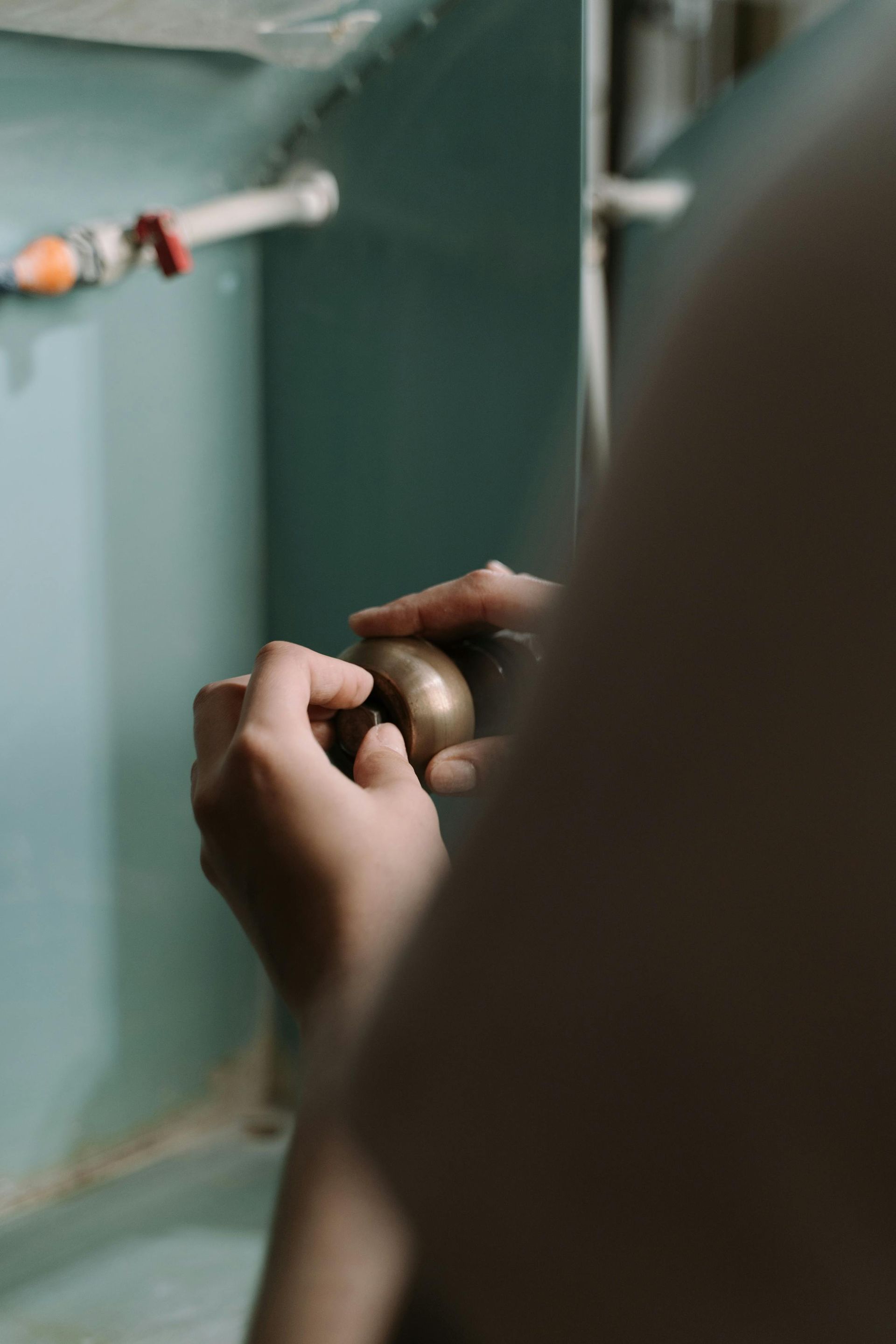
The most common culprit is a worn O-ring, washer, or cartridge — small internal components that degrade over years of use and start allowing water to pass through when the handle is closed. In most cases, these parts cost just a few dollars and can be replaced without touching the faucet body itself. That's when repair is the obvious answer.
The Four Most Common Drip Sources
- Dripping from the spout: Usually a worn washer or O-ring inside the faucet body — often very inexpensive to fix.
- Leaking at the base: Indicates a failed O-ring around the body of the faucet, or a cracked faucet deck. Base leaks can damage cabinets quickly.
- Leaking around the handle: Typically a packing nut or cartridge issue — usually repairable.
- Dripping from the valve seat: The connection between the faucet and the spout can accumulate sediment and corrode over time — harder to repair if corrosion is advanced.
🛠️ Tech Tip: Before calling a plumber for a leaky faucet, check under the sink. If the cabinet floor is wet or shows water staining, the leak is likely from the supply lines or drain connections — not the faucet itself. Supply line leaks are urgent and should be addressed immediately; they can cause significant cabinet damage.
When Faucet Repair Makes Sense
Repair is the right call when the faucet itself is structurally sound and the failure is limited to an internal component. If your faucet is 5–10 years old, made by a reputable brand, and the drip is coming from a worn washer, O-ring, or cartridge — repair is almost always the smarter financial decision. Parts are cheap, labor is minimal, and the faucet has plenty of useful life left.
Repair also makes sense when the faucet is a higher-end fixture worth preserving. If you've invested in quality hardware — a premium kitchen faucet or a designer fixture — replacing a cartridge costs far less than buying a comparable replacement. Many quality faucet brands offer lifetime warranties on parts, meaning your only cost may be the service call.
💡 Did You Know? Hot water faucets drip more often than cold water faucets. This is because heat accelerates the breakdown of rubber washers and O-rings inside the valve. If your hot-side faucet has been dripping for a while, the washer has likely degraded significantly — and so has the valve seat it's been riding against, which may need reconditioning.
When Faucet Replacement Makes More Sense
There are situations where repair is throwing good money after bad. If the faucet is more than 15 years old and this isn't its first repair, replacement is almost always more cost-effective. Older faucets often use parts that are difficult to source, and a plumber may spend more time hunting for a compatible washer or cartridge than the job is worth.
Corrosion is another deal-breaker. If you can see visible corrosion on the faucet body, around the base, or on the valve seat, no amount of new washers will fix the underlying problem. Corroded internal components compromise the seal in ways that parts replacement can't fully address. You'll repair it today and be back with the same problem in three months.
You should also replace rather than repair when the drip is accompanied by low water pressure, handle looseness, or difficulty getting the temperature to regulate properly. These symptoms suggest the faucet's internal mechanics are failing across the board — not just one component.
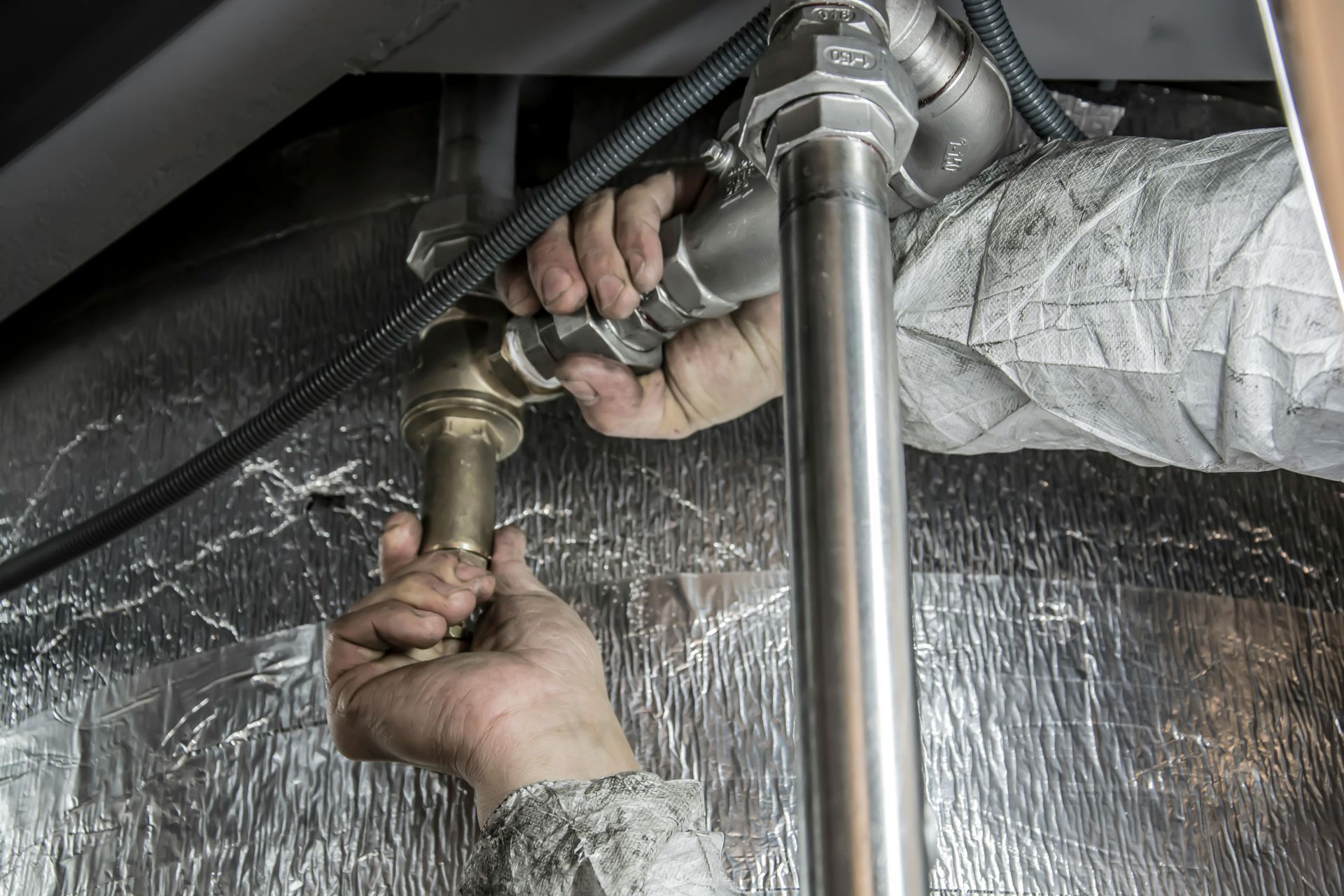
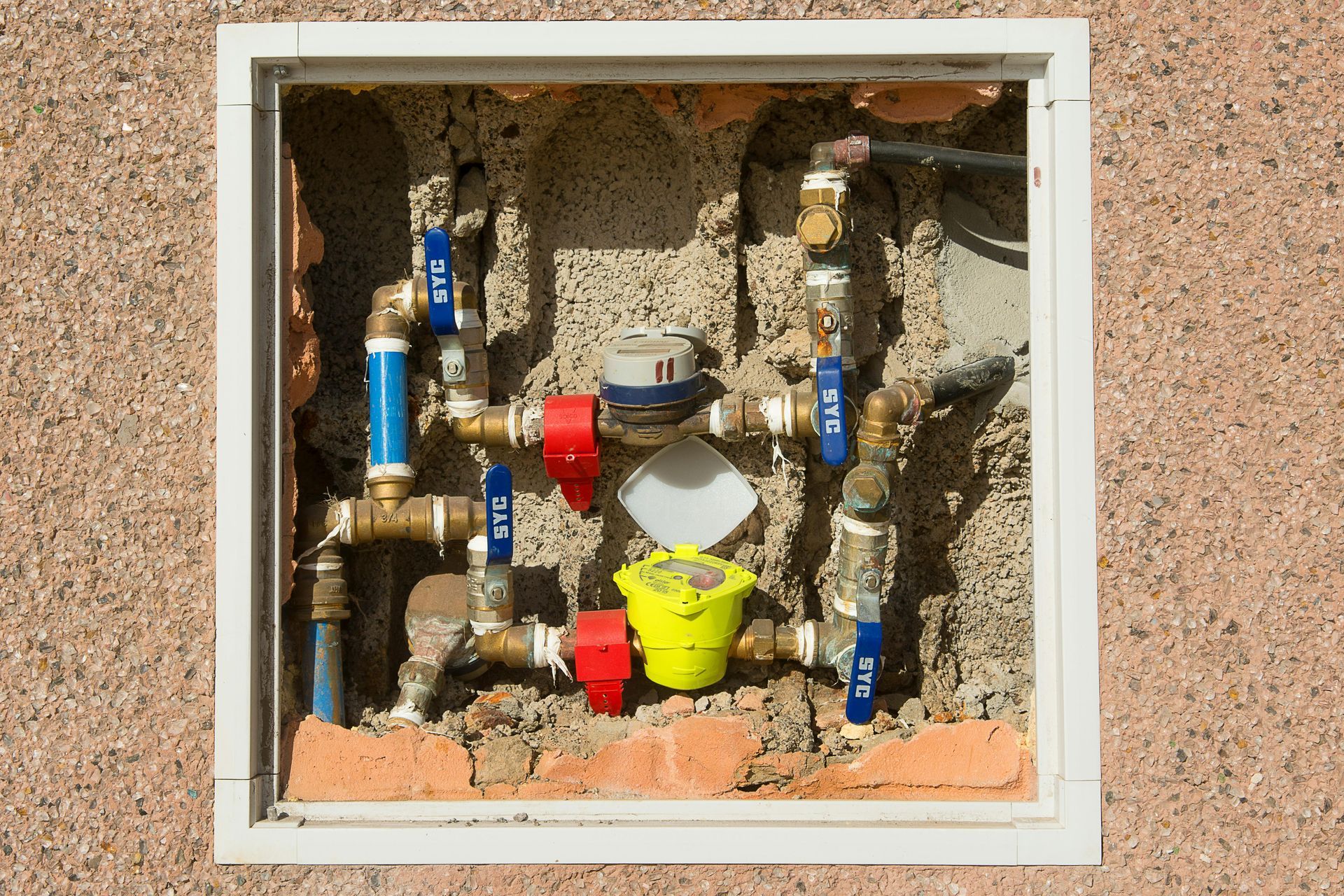
🔧 Plumbing Secret: Many homeowners don't realize that the water supply shutoff valves under the sink are often the real culprit in "faucet" problems. If the shutoff valve (the small valve on the supply line under the sink) is dripping, that's a separate issue from the faucet itself — and an aging shutoff valve that can't fully close is a problem worth fixing proactively before it fails completely.
The Cost Comparison: Repair vs. Replace
Let's put some numbers to it. A basic faucet repair — replacing a cartridge, washer, or O-ring — typically runs $75–$200 for parts and labor in the Atlanta metro. A mid-range faucet replacement, including the fixture and installation, typically runs $200–$600 depending on the faucet quality and location (kitchen vs. bathroom).
The math is simple: if a repair costs $150 and extends your faucet's life by 5+ years, that's a good investment. If a repair costs $150 and the faucet fails again within a year, you've spent that money twice — and you'll spend it again when you finally replace. The age and condition of the fixture are everything.
If you're dealing with a leaky faucet in Marietta, Buckhead, or anywhere in the Atlanta metro, visit our faucet and fixture repair page to learn about what we handle. We'll give you an honest recommendation — repair if it makes sense, replace if it doesn't.
The Environmental Argument
Beyond the cost math, there's a real environmental case for fixing faucet leaks promptly. The U.S. Environmental Protection Agency estimates that household leaks collectively waste nearly 1 trillion gallons of water annually. A single dripping faucet in your home contributes to that — and with Atlanta facing ongoing water management challenges, responsible water use matters locally too.
As an industry leader in residential plumbing throughout the Atlanta metro, TD Lambert Plumbing provides fast, honest faucet diagnoses — we'll tell you exactly what's causing the leak, what a repair costs, and whether replacement is the smarter long-term choice. We're transparent about our recommendations because we want your trust, not just your business. Schedule a visit today and stop wasting water — and money.
Frequently Asked Questions
What is the best faucet repair option for a dripping kitchen faucet in Atlanta?
The best approach depends on faucet type and age. For a ball-type faucet, replacing the ball assembly and springs is the most complete fix. For cartridge faucets, a full cartridge replacement resolves most drips definitively. For older compression faucets, replacing both the washer and reconditioning the valve seat gives the longest-lasting result. A licensed plumber can diagnose the exact cause and recommend the most durable fix for your specific faucet.
Can a dripping faucet cause water damage over time?
Yes — particularly if the drip is at the base of the faucet rather than from the spout. Water that pools at the base seeps into the cabinet below, causing wood rot, mold growth, and damage to the cabinet floor. Even spout drips that land on a porcelain or stainless sink can cause mineral staining and, in rare cases, drain components to deteriorate faster. A slow drip is never "just cosmetic" — it deserves attention.